Shahre Ray, Shahr-e Ray, Shahre Rey, or Shahr-e Rey (Persian: شهرری, romanized: Ŝahr-e Rey, lit. 'City of Rey') or simply Ray or Rey (ری), is the capital of Rey County in Tehran Province, Iran. Formerly a distinct city, it has now been absorbed into the metropolitan area of Greater Tehran as the 20th district of municipal Tehran, the capital city of the country.
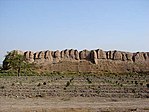
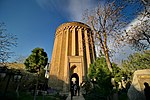
Historically known as Rhages (), Rhagae, and Arsacia, Ray is the oldest existing city in Tehran Province. In the classical era, it was a prominent city belonging to Media, the political and cultural base of the Medes. Ancient Persian inscriptions and the Avesta (Zoroastrian scriptures), among other sources, attest to the importance of ancient Ray. Ray is mentioned several times in the Apocrypha. It is also shown on the fourth-century Peutinger Map. The city was subject to severe destruction during the medieval invasions by the Arabs, Turks, and Mongols. Its position as a capital city was revived during the reigns of the Buyid Daylamites and the Seljuk Turks. Ray is richer than many other ancient cities in the number of its historical monuments. The Neolithic site of Cheshme-Ali, the reconstructed Median-era Rey Castle, the Parthian-era Rashkan Castle, the Sasanian-era Zoroastrian Fire Temple of Bahram, and the once Zoroastrian and now Islamic Shrine of Bibi Shahrbanu are among the many archaeological sites in Ray.
Ray has been home to many historical figures, including royalty, merchants, scholars and poets. The medieval Persian scholar Rhazes, one of the most important figures in medical science, was from Ray. One of the etymologies proposed for the name of the Radhanites—a group of merchants, some of Jewish origin, who kept open the Eurasian trade routes in the early Middle Ages—links them to Ray.
Ray today has many industries and factories in operation. It is connected via the rapid transit system of Tehran Metro to the rest of Greater Tehran.

 Continue reading on Wikipedia